


Why Smoke, Soot and Odour Removal Requires Specialist Cleaning
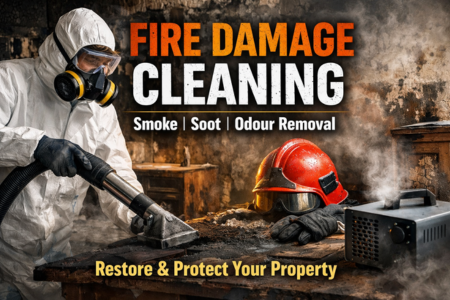
A fire is one of the most devastating events a property owner can face. Even after the flames are extinguished, the danger hasn’t passed. While the structural damage might be obvious, the invisible remnants; smoke, soot, and persistent odours pose significant risks to both the building and its occupants. Attempting to clean these elements without professional help can often lead to further damage or health complications.
The complexity of fire damage stems from the diverse materials found in modern buildings. When plastics, fabrics, and woods burn, they release a cocktail of toxic chemicals. These substances don’t just sit on surfaces, they penetrate deep into porous materials and ventilation systems. Understanding the science behind these residues is the first step toward a safe restoration.
The Hidden Dangers of Soot and Smoke
Soot is more than just an unsightly black powder. It’s composed of tiny carbon particles that can be acidic and corrosive. If it’s left on surfaces like chrome, marble, or electronics, it can cause permanent etching or short-circuiting within hours. Because soot particles are so small, they easily travel through the air, settling in areas far from the original fire source, such as inside wall cavities and cupboards.
Furthermore, inhaling these particles is extremely hazardous. They can settle deep in the lungs, exacerbating respiratory issues or causing long-term health problems. Professional fire damage cleaning services are essential because experts use industrial-grade vacuums and air scrubbers to safely capture these microscopic contaminants. They ensure that the air you breathe is free from harmful particulates before you move back into the space.
Why Lingering Odours Won’t Just Disappear
The smell of smoke is notoriously difficult to eliminate. This isn’t because the scent is strong, but because the odour molecules have become trapped within the pores of your walls, furniture, and flooring. Standard household air fresheners or cleaning products only mask the smell temporarily, they don’t neutralise the source. When the temperature or humidity in the room changes, the trapped molecules are released, and the smell returns.
How Fire Damage Cleaning Services Deal With Them
Specialist cleaners utilise advanced technology to tackle this at a molecular level. Here’s how they typically manage the process:
- Thermal Fogging: This replicates the fire’s behaviour, using a deodoriser that penetrates the same areas the smoke reached.
- Ozone Treatment: This process breaks down the chemical structure of the odour molecules.
- HEPA Filtration: Removing the source of the smell from the air itself.
- Sealants: In some cases, specific primers are used to trap any remaining molecules within structural materials.
The Risks of DIY Fire Restoration
It’s tempting to start scrubbing immediately, but this often does more harm than good. Rubbing soot into a wall can permanently stain the paintwork, making professional removal much more expensive later. Moreover, using the wrong cleaning agents can cause chemical reactions with the acidic soot, potentially releasing more toxic fumes or damaging delicate surfaces beyond repair.
Specialists bring a wealth of knowledge regarding material-specific cleaning. They know which fabrics can be salvaged and which chemicals are safe for different types of stone or wood. By hiring experts, you’re not just paying for cleaning, you’re investing in the preservation of your property’s value and ensuring the environment is safe for your family or employees.
Key Takeaways
Recovering from a fire is a journey that requires patience and expertise. While you might want to put the incident behind you quickly, skipping the specialist cleaning stage can lead to long-term structural decay and health risks. Entrusting the job to professionals ensures that every trace of smoke, soot, and odour is effectively eradicated, allowing you to return to a truly clean and safe environment.